Explore More Blogs
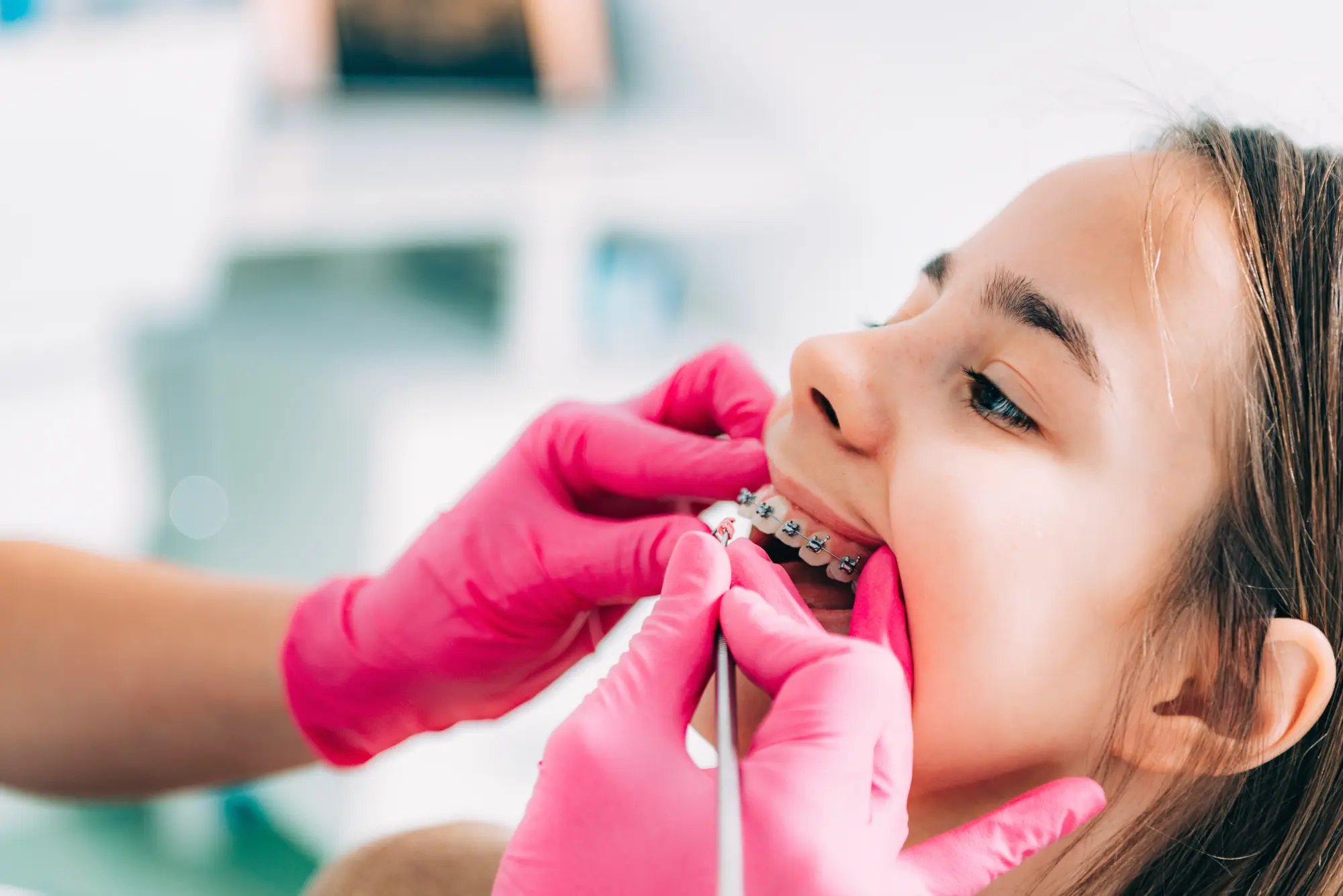
Braces vs. Invisalign for Teens: Which Option Is Best for Your Teenager’s Smile?
As a parent, you want nothing but the best for your child, especially when it comes to their health, confidence, and smile.

No Insurance? Here's How Medicaid Can Cover Your Child's Dental Visit in Tega Cay
It’s easy to assume that early dental visits can wait, especially since baby teeth eventually give way to permanent ones.

Does Lume Accept Medicaid for Braces in Fort Mill, SC?
Finding affordable orthodontic care for your child can feel overwhelming, especially when insurance coverage like Medicaid is part of the equation.
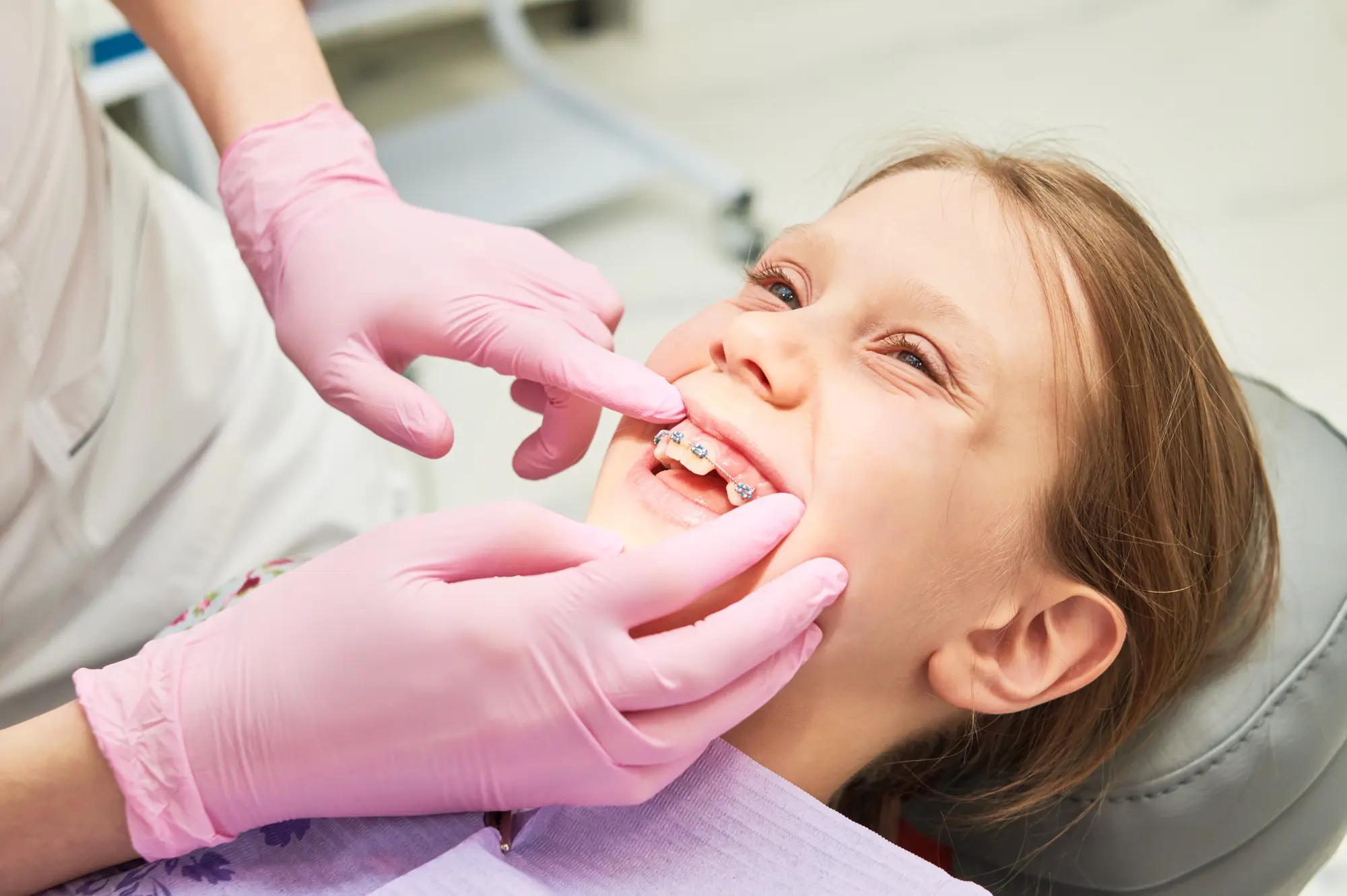
Early Orthodontic Treatment: What It Is and Why It Matters
As a parent, you want to give your child the best start in life, and that includes a healthy, confident smile.

At What Age Should My Child See an Orthodontist?
Let’s break down everything you need to know about orthodontic care for kids so you can feel confident moving forward in your child’s smile journey.

Baby Teeth vs. Adult Teeth: What Parents Need to Know
With our doctor-led team and locally rooted care, your child’s journey to a lifelong healthy smile starts here.

How to Prepare an Anxious Child for the Dentist
As a parent, watching your child feel nervous or scared about a dental visit can be heart-wrenching. You’re not alone!

When Should My Child Have Their First Dental Visit?
You might be wondering, “When is the right time to bring my child to the dentist?”. We have answers!

Whitening for Teens: Safe & Effective Options for Bright, Confident Smiles
As caring parents, you want the best for your child, including the confidence that comes with a healthy, radiant smile.

Sports Safety: Custom Guards for Ballantyne's Young Athletes
In competitive sports, young athletes face countless challenges, but dental safety shouldn’t be one of them.
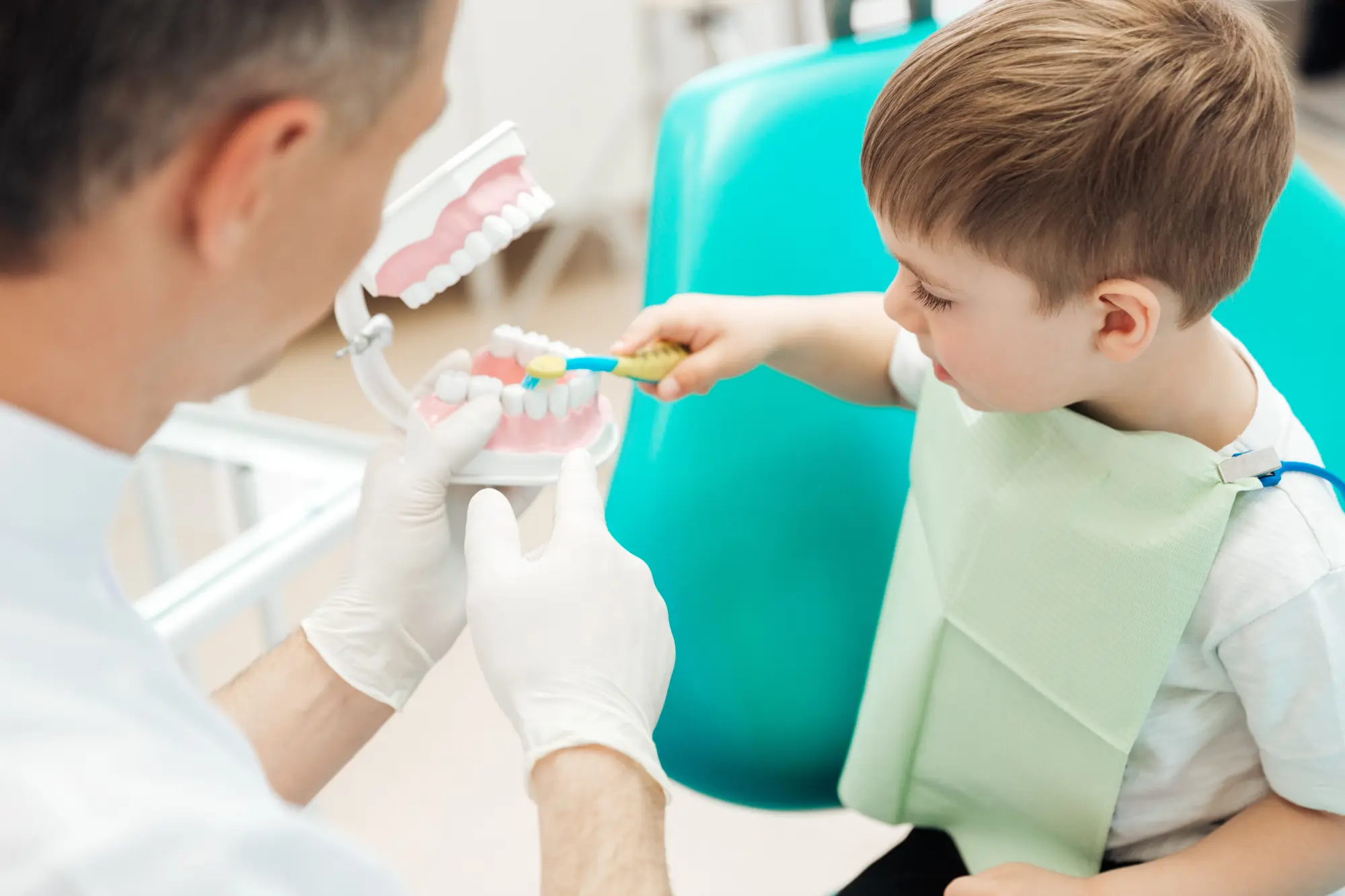
Compassionate Dentistry for Special Needs Children: Gentle Care That Makes a Difference
Every child deserves a smile they can feel proud of. But for families of children with special needs, the search for the right dental care can feel overwhelming.

Complex Care: When General Anesthesia is Safest for Kids
When it comes to dental care for children, safety and comfort are always at the heart of every decision.
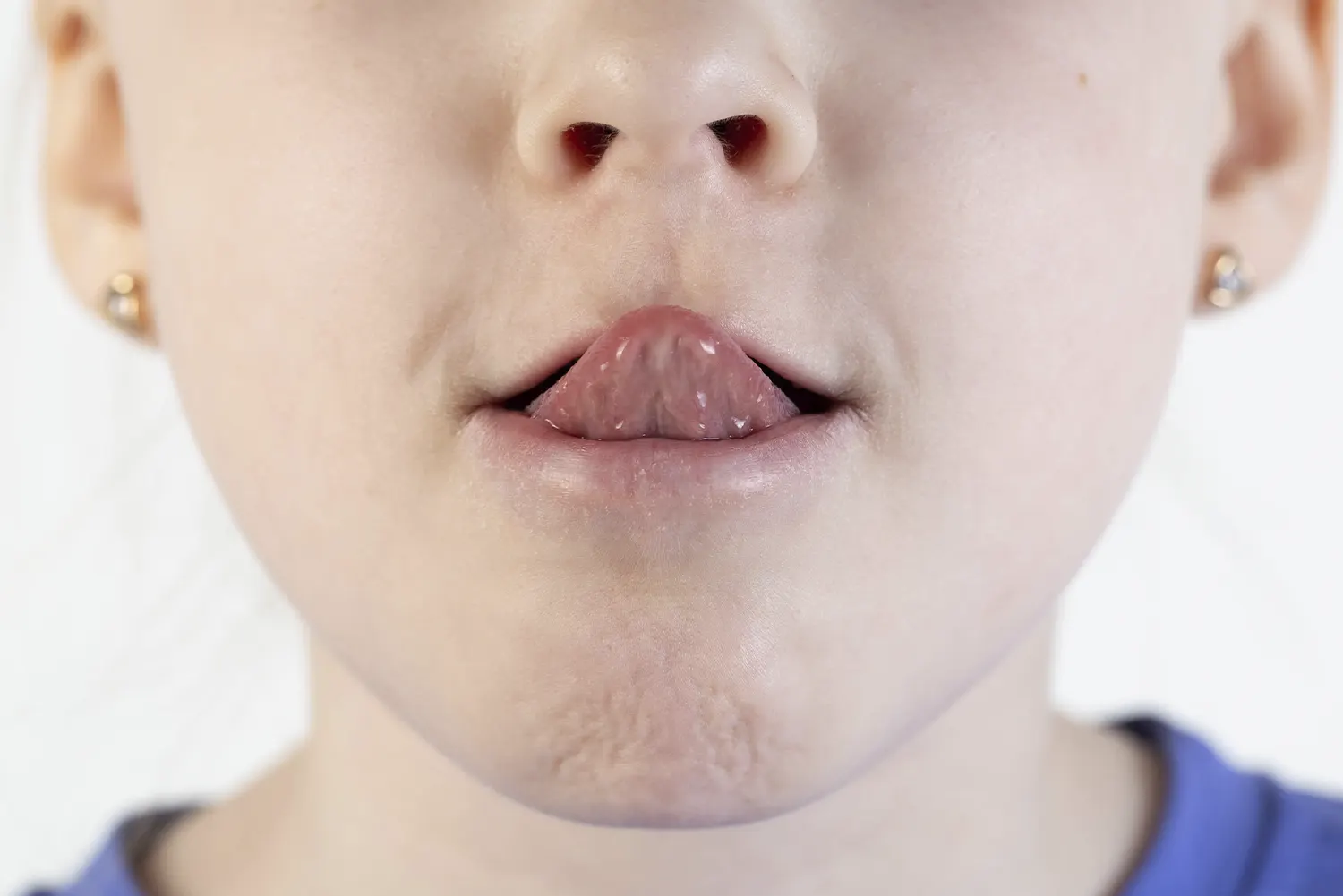
Tongue Tie Diagnosis: Solving Infant Feeding Issues with Confidence
Feeding your newborn should feel nurturing, natural, and calming. But for many parents, it quickly turns into a stressful, worrisome experience when something just doesn’t feel right.

Mouth Breathing Fix: Airway Orthodontics in Ballantyne That Transforms Growing Smiles
Airway orthodontics is a modern approach to aligning teeth and jaws while prioritizing optimal breathing.

Welcome to Lume Pediatric Dentistry & Orthodontics
At Lume Pediatric Dentistry & Orthodontics, our experienced pediatric dentists and orthodontists are passionate about helping every child feel confident about their smile.